
Washington Rat Catchers (NE37): While it is not all that common in these modern times, seeing a rat in your garden or even inside your property in Washington just isn't a pleasant experience. A single rat sighting shouldn't be that much of an issue, nonetheless, if you witness rats more often or spot more than one rat you might be in for trouble since they reproduce so rapidly.

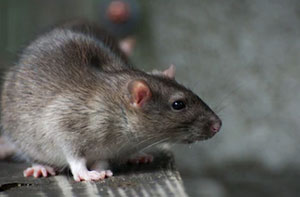
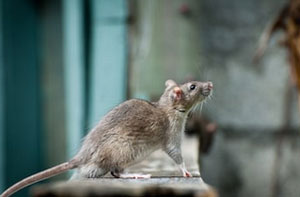
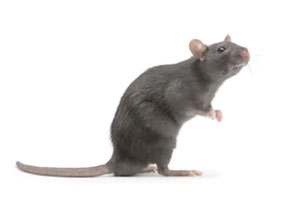
Around properties in Washington, the only two species of rat you might come across are the brown rat or the black rat. In general, any sighting will be a brown rat, also known as the common rat, because black rats are much less common today in the British Isles. Black rats, sometimes called ship rats, were at one time a lot more widespread & in the past were tied to plague outbreaks, (especially the Great Plague during the seventeenth century), though the connection between rats, fleas & disease transmission is a lot more complex than was previously thought. These days, black rats are rarely encountered in Washington. Where populations still exist, they are agile climbers with an acute sense of hearing and an extremely fast reproductive cycle, allowing females to produce several litters "pups" every year.
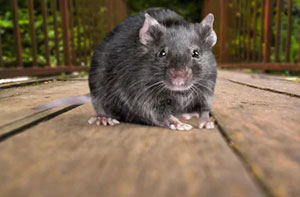
Brown rats are typically larger than black rats weighing in at 500g and reaching a length of almost 9 inches. To prevent their incisor teeth from growing too long, common brown rats must keep gnawing at stuff, and that's why they cause so much damage and destruction. Any wooden surfaces they come across can attract the attention of rats, which will regularly chew on them, leaving woodwork and timber particularly vulnerable to being damaged. Noticeable marks and signs of damage can be seen in different areas around your Washington property by the continual chewing and gnawing of rats, more so when they've been living there for an extended length of time.
Rats can cause various issues in businesses and homes around Washington and they leave behind droppings, gnaw through pipes, woodwork, insulation and wires, transmit disease, and generally cause a nuisance. Any repeated incidences of rats should always be reported to the local council. Or perhaps head HERE to report pest and rat sightings on the .gov website online. Taking steps as soon as possible can help prevent what starts as a small rat issue from turning into a much more troublesome infestation to tackle.
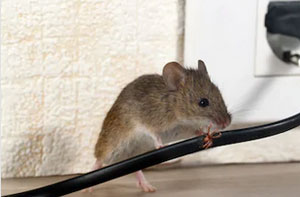
It is quite possible to be dealing with rats in and around a home without ever catching sight of them, because their movements and general activity can leave a range of signs of their activity that in time betray their presence. It could be that you might find a rat's nest hidden away somewhere, you could notice droppings on the floor or in cupboards, you might hear noises coming from a loft, floor or wall or you could encounter distinctive rat holes gnawed in floorboards or skirting boards.
To tackle this situation there are several approaches that you could take. You could lay out traps or poison yourself, you can speak to the local Washington authorities or you could track down a pest controller who specialises in rat removal. Way back in the past, rat catchers were exactly that, however currently they tend to be known as pest control experts and will not just be able to help you sort out rat problems but also moles, cockroaches, ants, mice, wasps and more.

Rat catching and pest control can be done in Washington and also nearby in: Crowther, Fatfield, Philadelphia, Shiney Row, Hertburn, Lambton, Biddick, Lambton Park, Picktree, Armstrong, Penshaw, Birtley, Barmston, Bournmoor, New Herrington, Harraton, as well as in these postcodes NE37 1PJ, NE37 1QD, NE37 1BG, DH3 4PW, NE37 1PL, NE37 1NS, NE37 1LB, NE37 1SN, NE37 1DA, NE37 1PR. Local Washington pest controllers will probably have the telephone code 0191 and the postcode NE37.
Kinds of Rat
You'll only ever come across 2 breeds of rat in Washington, Tyne and Wear and throughout the United Kingdom. The Brown Rat (Rattus Norvegicus) and the Black Rat (Rattus Rattus).
The Brown Rat
In Washington, the remainder of the UK and Europe the commonest species of rat is the brown rat (Norwegian Rat (Rattus Norvegicus), street rat, common rat or sewer rat), this is what you are most likely to discover in your home or garden. The brown rat (it can often be grey in colour) is normally 4-9" long (without the tail) and weighs 140 to 500g. It always lives wherever human beings live. Nowadays known to have originally come from Central Asia (almost certainly China), the brown rat was once assumed to have spread from Norway (hence the name Rattus Norvegicus). Brown rats climb effectively and burrow a lot, they have excellent hearing but poor eyesight, the females can give birth to 5 litters each year, they feed on pretty much anything (they are omnivores) but have a preference for grain cereals.
The Black Rat (Rattus Rattus)
The black rat, (Rattus Rattus), ship rat or roof rat is also not native to the British Isles, originally coming from Southeast Asia (India). Quite likely traveling in spice shipments in Roman times, the black rat eventually spread throughout Continental Europe. The black rat was at one time prevalent in the UK but was essentially ousted by the brown rat and is now pretty uncommon. Growing to a length of five to seven inches, the black rat weighs in at only 75-230g. Well known for passing on bubonic plague, tularemia, listeria, trichinosis, toxoplasmosis, rat bite fever, salmonella, Weil's disease and typhus, black rats are notorious spreaders of disease and pathogens.
What Attracts Rats?
With their fur covered bodies, twitching whiskers and pointy faces, some folk may find rats and mice to be rather cute, however they are certainly not the type of animals that you want living in your house or garden in Washington, and can be more dangerous than you would imagine. Rats and mice can cause damage to your home by gnawing through insulation materials, electric wiring, wood and plastic, and are quite often to blame for fires and other issues. More than thirty different kinds of disease can be spread by mice and rats including bubonic plague, tularemia, listeria, trichinosis, toxoplasmosis, rat bite fever, salmonella, Weil's disease and typhus. So, the principal things that may attract mice and rats into your garden and home are:
- WATER - Rats and mice have to drink like any other creature, therefore sources of water such as seeping sprinkler systems, pet bowls, birdbaths and leaking pipes are a big enticement for these unwanted pests.
- FOOD - Food that's left lying around or discarded is perhaps the main attraction for rats and mice.
- CLUTTER - General clutter in an outbuilding, cellar or loft space will be especially attractive to mice and rats, particularly if there's a food source nearby.
- RUBBISH - Accumulations of garbage and garden waste stacked up on your property (particularly in the garden) will obviously attract mice and rats.
- COMPOST/PET WASTE - Surprisingly pet waste and even piles of compost can be attractive to rodents - there are likely to be some tasty morsels hiding in there!
- HOLES AND ENTRY POINTS - Mice and rats can crawl through the tiniest of cracks and holes, so keep an eye out for spaces around crawl spaces, grills, piping and doorways.
Rat Prevention Washington
The easiest way of avoiding issues with rats is to discourage them to start with. So, even though you do not currently have a problem with rats, deterring mice and rats must be high on your priority list. Household rubbish littered around the garden is one of the main causes of rat and rodent infestations. You will do nothing but attract rats and mice if you give them both the materials and place to build nests. Also, avoid providing them with easy food by leaving household waste food lying around and putting bird feeders out with grain that will simply encourage rats.
Diseases Spread by Rats
People can contract a number of diseases from rats, with their saliva, urine and faeces being the primary sources of transmission. Some of the diseases that rats can transmit to humans include hantavirus, leptospirosis, rat-bite fever and salmonellosis.
Leptospirosis, a bacterial infection capable of causing symptoms similar to those of the flu, can result in the failure of the liver and kidneys. Rat-bite fever, which can cause vomiting, rashes and fever, can be transmitted through a rat scratch or bite due to a bacterial infection. A severe respiratory illness, which can lead to fatality, can be caused by hantavirus. Salmonellosis, a bacterial infection, produces symptoms including fever, diarrhea and abdominal cramps.
Preventing and controlling rat infestations is a crucial step in reducing the risk of disease transmission. Also, rat urine and droppings can contaminate food and water sources, thereby increasing the risk of disease transmission. The implementation of effective rat control measures, including proper sanitation and rodent-proofing, can prevent and decrease the spread of these diseases and the risk of rat infestations.
Rat Bite Wounds
Although, in the UK, rat bites aren't all that common, they certainly do occur every so often, and the effects can be serious in some scenarios. When cornered or threatened, rats can attack and bite humans, thus if you stumble upon one one in a confined environment, it's advisable to leave the creature a clear exit route so it can easily escape.
Rat bites have been known to occur in homes where rats are being kept as pets, and ramming your hand inside a rat's cage is definitely a manoeuvre to be avoided. Rat bites can become infected or be fatal if they develop into "rat bite fever", therefore they should be avoided if possible, although of of course rat bites are not always dangerous. "Rat bite fever" (RBF), if left untreated, can cause death in 10% of cases.
Symptoms of Rat Bite Fever (RBF) - "Rat bite fever" (streptobacillary RBF) can have various signs and symptoms, including:
- A Rash
- Vomiting
- Joint Pain
- Fever
- Redness or Swelling
- Headache
- Muscle Pain
If you're unfortunate enough to be bitten by a rat, carefully wash the wound, put on some antibiotic ointment, and bandage the affected area. Even if the bite does not appear to be that major, you must book an emergency appointment with your GP or go to the nearest A&E unit. If it is more than 5 years since you received your last vaccination for tetanus, you should get one of these done as well, since rat bites can become a cause of infection.
Problems With Mice
Maybe considered by many as not being so shocking as rats, seeing mice scuttling around your house can result in just as many concerns. While much smaller, mice are still going to contaminate foodstuffs, leave droppings, breed rapidly and gnaw at stuff. The resolution to mouse infestations in Washington are much the same as those used for rats ie setting traps and poisoning. If you have a mouse infestation, Washington rat catchers will be ready to help you solve this issue. Head right over to BARK and find a pest control expert close to you.
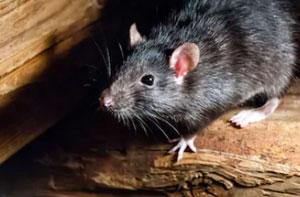
Householders with rat problems in Washington are occasionally tempted to have a bash at solving it for themselves. So, if this happens to you, what ought you to do? Rat poisons, rat traps and similar merchandise is readily accessible in hardware stores, shops and supermarkets in and around Washington, so the things that you need can easily be purchased. An experienced rat exterminator in Washington is however the ideal person for the job, since controlling rats isn't necessarily as straightforward as you may believe. In many instances the novice's use of rat poisons is simply not all that helpful, and may even do more harm than good - do you really want to risk doing harm to your pets and children? When in doubt, speak to the professionals for rat control in Washington. (Tags: Rat Removal Washington, Rat Exterminators Washington, Rat Control Washington)
Local Pest Control Services

Washington rat catchers can normally help with guano removal, pest netting in Washington, emergency rat control services for severe infestations in homes, domestic pest control, rat control, rat deterrents, pest control services, bird proofing, bird pest control, anti-bird spike installation, electronic pest control, commercial rat control Washington, garden rat removal and control services for outdoor infestations, rat removal and sanitation services following heavy infestations, loft rat removal & clean up services for householders, rat proofing services to seal gaps and prevent reinfestation, commercial pest control, rat infestation clearance from garages, sheds & storage areas, powder treatments, rat proofing, pest extermination, pest control for rats in kitchens lofts and garages, pigeon pest control, rat poison, rat prevention services to stop future infestations in homes, wasp nest removal, rat trapping, wasp pest control and other pest control in Washington, Tyne and Wear. Listed are just some of the activities that are carried out by people specialising in pest control. Washington specialists will let you know their full range of pest control services.
Washington Rat Control Services
- Rat Deterrent
- Domestic Pest Control
- Pest Removal
- Pest Control
- Mouse Control
- Rat Inspections
- Rat Extermination
- Rat Catchers
- Mole Catchers
- Pest Inspections
- Rat Prevention
- Rat Trapping
- Rat Removal
- Rat Control
Pest Control Near Me
Also find: Bournmoor pest control, Shiney Row pest control, Lambton pest control, Barmston pest control, Hertburn pest control, Philadelphia pest control, Lambton Park pest control, Harraton pest control, Fatfield pest control, Penshaw pest control, Biddick pest control, New Herrington pest control, Picktree pest control, Armstrong pest control, Crowther pest control, Birtley rat catchers and more. All of these towns and villages are serviced by local pest control. Washington homeowners can get quotes by going here.
 Rat Catchers Washington
 Pest Control Near Me
 Rat Control Washington
Rat catchers in NE37 area, 0191.
Rat Control Specialists - Rat Catchers Washington - Pest Controllers - Rat Control Washington - Rat Exterminator - Rat Pest Control - Mouse Control Washington - Rat Catcher Washington - Pest Control Washington
